
Looking back to 70,000 years ago, in order to eat, we had to hunt animals and gather fruits and vegetables. With the agricultural revolution, 12,000 years ago, our lives have changed. In order to get more food we planted and harvested the fields. For the first time in human history, plants like wheat and rice, and animals such as cows and sheep were domesticated, developed and controlled. 500 years ago, starting with the scientific revolution, new methods of “gathering and hunting” were developed. Harnessing technology, we began engineering, designing and even 3D printing the food we eat.
Today we have ever more control over the shape, taste, smell and lifespan of fruits, vegetables and animals. In our shopping baskets, we find apple flavored food instead of apples. We manufacture, market and design a car in the same way we design a bread or an apple. The boundaries between natural and artificial objects have become blurry.
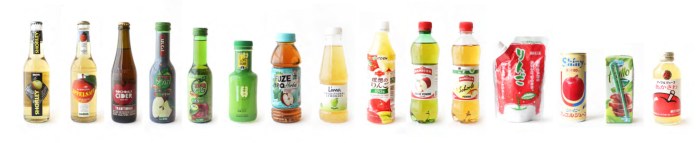 100% NATURAL Is written on the products below
In my view, this project was a point to stop and consider things, before rushing ahead and implementing changes. If we are already acting to change nature, and create changes in our environment, why not do it thoughtfully and with more awareness in mind.
The designer, in my opinion and experience, has the advantage of having a special overview and perception on our lives and as a result, in his own way, has the tools, the ability and the potential to lead people towards awareness to their choices. The role of the designer is to observe, to reflect, to understand and finally, to act and present in front of people the possibilities facing them. When possible, also to lead trends and life changing revolutions. In the words of Paola Antonelli, the senior Curator of the Department of Architecture & Design at the MoM A, New York, “One of design’s most fundamental tasks is to help people deal with change. Designers stand between revolutions and everyday life.… Designers have the ability to grasp momentous changes in technology, science, and social mores and to convert them into objects and ideas that people can understand and use… Without a visual design translation, many fundamental concepts – such as the scope of the human genome or its comparison with that of other primates – would remain ungraspable by most.”
The idea for this project’s theme, came from looking at the supermarket shelf, I was asking myself and doubting the role of nature in fruits, is what I see really a natural fruit? How much human intervention is in the fruits I am about to buy? Are the apples we eat today man made or natural? Do we have the right to intervene with nature? Is it good or bad? Humans always strive to improve their quality of life. Can we improve a natural object? What is the relationship between technology, nature and design? In this project, I am attempting to raise some possible answers to those kind of questions.
We eat chocolate in apple flavor, wash dishes with apple scented liquid, talk in apple cell phone and buy an apple in the vending machine.
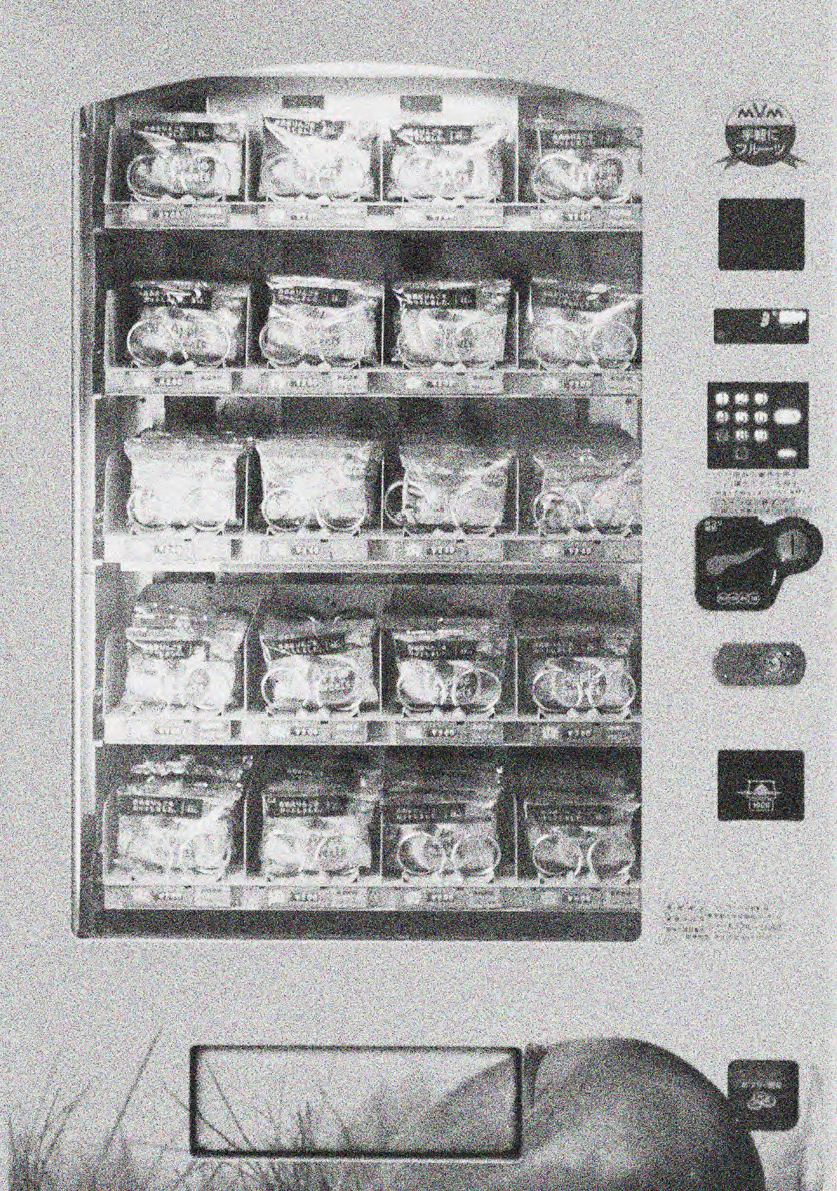
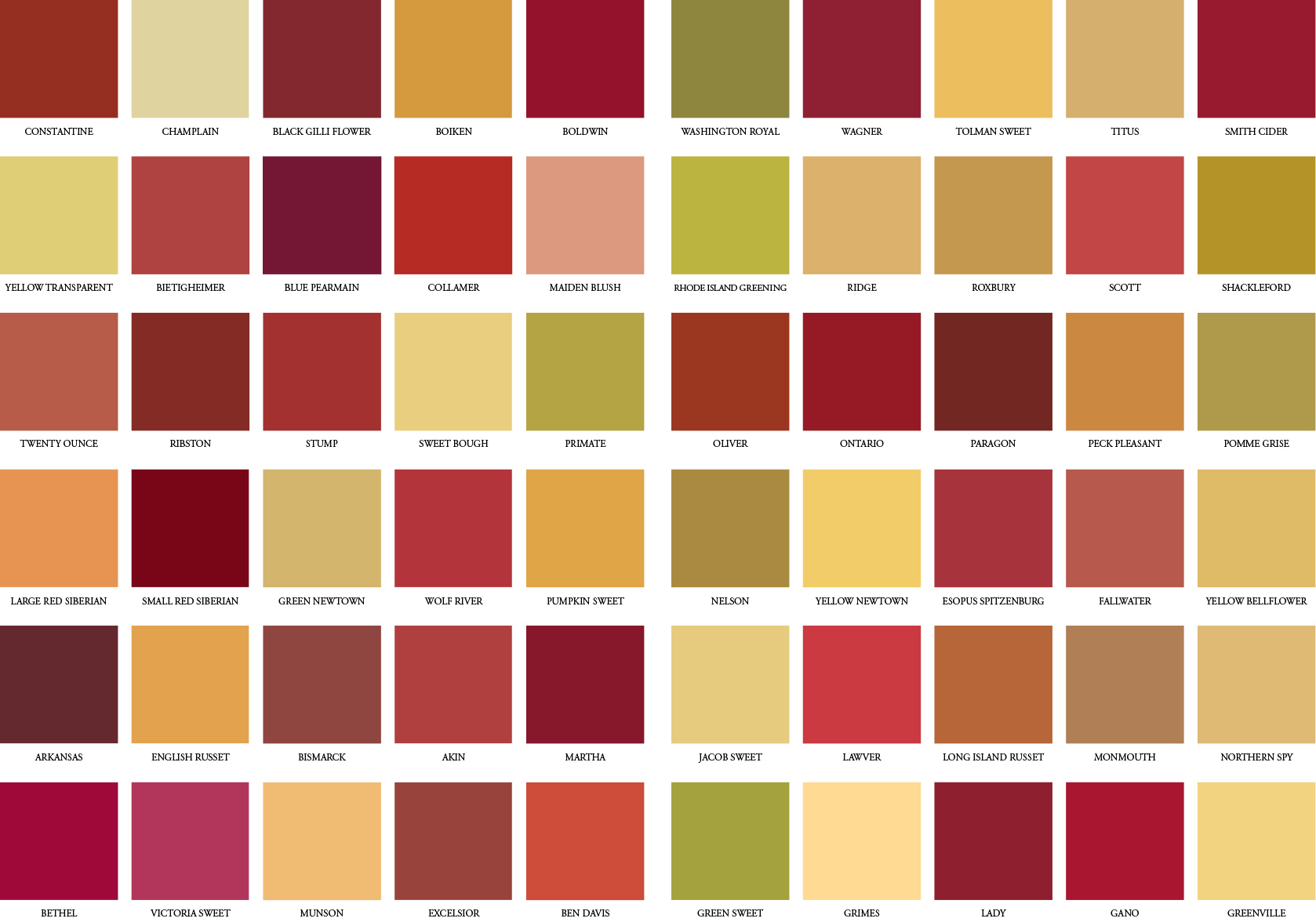
One part of the project presents a research about the relations between the natural and the artificial world. The second part is a unique collection of apple designs which lay between those two worlds . Through this research and the collection of apple designs, I hope to raise alternative ways of thinking and observing our life in a new perspective. All that is left for us is to examine these other ways and choose how we would like to live, how to navigate our path in life and where we would like to end up.


Continue reading:
 pommedesignproject.com